
You might think SEO is a set-it-and-forget-it task, but it’s quite the opposite. It requires ongoing effort and tweaks to stay on top of search engine updates. Don’t fall for the myth that more links automatically mean higher rankings; the quality and diversity of your links matter more than the volume. Also, stuffing your content with keywords can actually damage your SEO. Remember, incorporating them naturally is key. Plus, while social media doesn’t directly influence rankings, it does help in boosting your content’s visibility and traffic. Interested in busting more myths? Stick around, there’s plenty more to reveal.
SEO Is Only a One-Time Effort

Many believe that SEO is a one-time effort, but this couldn’t be further from the truth. SEO requires a long-term strategy and continuous optimization to stay relevant. You’ve got to adjust to algorithm updates, refine your content, and analyze performance regularly. If you’re not evolving your SEO tactics, you’re likely falling behind. It’s an ongoing journey, not a one-stop destination.
More Links Guarantee Higher Ranking
You might’ve heard that accumulating more links to your website guarantees a higher ranking in search engine results. However, it’s not just about quantity. The truth lies in link quality and link diversity. Search engines value links from varied and reputable sources more highly than numerous links from the same few sites. So, focus on building a diverse, high-quality link profile for better SEO outcomes.
Keywords Need Maximum Density

It’s a common misconception that stuffing your content with as many keywords as possible will boost your site’s search engine rankings. Actually, excessive keyword stuffing can harm your SEO efforts. Instead, focus on keyword relevance, ensuring your keywords naturally integrate into well-crafted, informative content. Search engines prioritize the user experience, so relevance and quality far outweigh mere keyword density.
SEO Results Are Instant
Expecting immediate results from SEO is a common pitfall. Many SEO misconceptions revolve around the idea of instant results, but that’s not how it works. SEO is a long-term strategy. It requires patience as changes in rankings can take months to materialize. Don’t fall for the myth that adjustments today mean top rankings tomorrow. It’s a gradual process, not an overnight success.
Social Media Doesn’t Affect SEO

Despite popular belief, social media does impact your SEO efforts. When you’re active on platforms like Facebook or Twitter, it’s not just about engagement. Your content sharing and the social signals generated—likes, shares, comments—do play a role. They indirectly boost visibility and traffic to your site, which search engines notice. So, don’t neglect your social media strategy; it’s integral to your overall SEO success.
Images Don’t Impact SEO
While you’re refining your social media strategy to boost SEO, don’t overlook the power of images. Image optimization notably impacts your site’s visibility. By properly using alt text, you guarantee that search engines understand your images, enhancing keyword relevance and improving accessibility. It’s not just about the visual; it’s about making each image work towards better search engine rankings. Don’t underestimate it!
Meta Tags Are Irrelevant Now
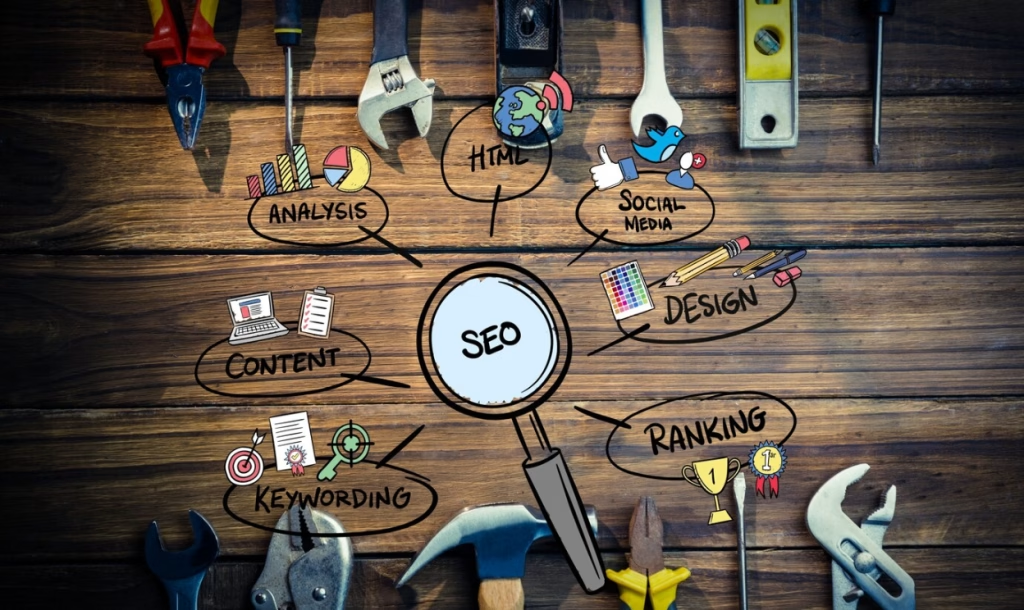
Meta tags’ reputation as an obsolete SEO tool is largely misunderstood. They still hold significant value, especially when you’re optimizing the title for search engines. Understanding meta tag importance can elevate your site’s visibility. Properly used, these tags help communicate your page’s context to search engines, enhancing how they index and display your content. Don’t overlook them; they’re more relevant than you might think.
Good Content Guarantees High Ranking
Understanding the role of meta tags sets the stage for another widely held belief: that high-quality content alone can secure top search engine rankings. While content quality boosts user engagement, it’s not a silver bullet. You’ll need more than just great articles or videos. SEO’s a complex field where various factors play a role. Don’t rely solely on your content’s excellence to climb the SERPs.
PPC Campaigns Boost Organic Rankings

Many believe that investing in pay-per-click (PPC) campaigns will directly enhance their organic search rankings. However, PPC strategies and organic synergy aren’t directly linked. While PPC boosts brand visibility and ad performance through meticulous keyword research and campaign optimization, it doesn’t affect organic rankings. Budget allocation and conversion tracking focus on paid results, not improving organic search positions. Keep these elements distinct for clearer strategy formulation.
Local SEO Doesn’t Matter for Online Businesses
Although some might argue that local SEO is irrelevant for purely online businesses, this isn’t entirely accurate. Local citations and local keywords can boost your online visibility. They align with search intent and enhance user experience, essential after recent algorithm updates. Mobile optimization and competitive analysis help maintain business relevance and customer engagement. Don’t overlook local SEO; it’s a strategic tool for standing out in digital marketplaces.
Frequently Asked Questions
How Does User Experience Impact SEO Rankings?
User experience greatly influences SEO rankings through user engagement, site speed, and content quality. Improved navigation design and accessibility factors decrease bounce rates, boosting your site’s visibility and performance in search engine results.
Can Duplicate Content on My Site Harm My SEO?
Yes, duplicate content can harm your SEO, as search engines might penalize your site. Use canonical tags to avoid duplicate content penalties and guarantee search engines know which version to prioritize.
Are Sitemaps Crucial for Improving SEO?
Sitemaps, especially in XML format, are important but not essential. They help search engines find and index your content more efficiently, but your SEO won’t tank if you don’t have one.
How Does Mobile Optimization Influence SEO?
Mobile optimization isn’t just the cherry on top—it’s vital for SEO. With mobile-first indexing, ensuring your site has responsive design boosts your rankings. Don’t overlook how important mobile-friendly interfaces are to your success.
Does the Age of a Domain Affect Its SEO Performance?
You might’ve heard that older domains boost SEO due to increased domain authority, SEO longevity, ranking stability, and trust factor. However, it’s more about how well you maintain and optimize content over time.